Structural Drying in Blaine, MN
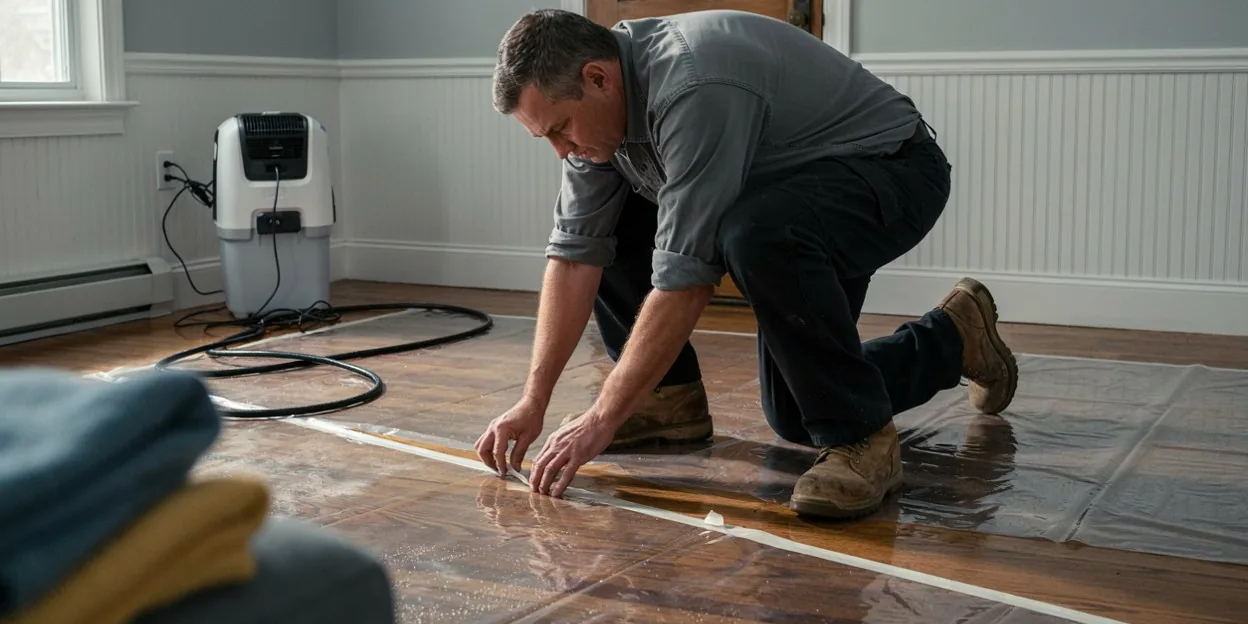
The water has been gone for a week. The carpet is up, the shop vac is back in the garage, and the basement still smells wet every time you open the door at the top of the stairs. The bottom of the drywall behind the couch is soft to the thumb. Nothing is dripping, and nothing is dry. This site puts you through by phone to an independent local provider who does structural drying in Blaine and across Anoka County.
Reading the walls before a single fan is placed
Drying starts with a map. The crew meters the slab, the base of every wall, the studs where drywall has been removed, and the ceiling if water came from above, and compares each reading to a dry part of the house. Then they set air movers to push air across the wet surfaces and dehumidifiers to pull the moisture out of the room so it does not settle somewhere else. The equipment count comes from the size of the space and the readings, not from a habit.
They come back daily, take the same readings in the same spots, and move or pull equipment as the numbers change. Drying is done when the wet materials match the dry reference, not when the wall looks dry.
Keep the basement closed and the equipment running
Leave the air movers and dehumidifiers on. Turning them off overnight to save the noise adds days. Keep the basement windows shut; in a Minnesota spring or summer the outside air carries more water than the dehumidifier is trying to remove. Keep the furnace room clear so the equipment can breathe, and empty a dehumidifier bucket if the crew set one up without a drain hose. Note which day the readings were taken so you can follow the progress on paper. Call with any question about the setup.
What dries in place in a Blaine house
Block walls dry in place, slowly, with air across them. Poured concrete dries in place. Studs, sill plates, and floor joists dry in place if they were reached inside a few days. Drywall with a reading close to dry stays; drywall that stayed wet for a week usually comes out at a clean line. Carpet dries once the pad is gone. Fiberglass insulation does not dry inside a wall and leaves. A slab under vinyl or laminate cannot dry until the flooring is up.
Drying follows whatever put the water there. After a basement flooding cleanup the block and the slab are the slow parts. After a frozen pipe cleanup the wall cavity and the rim joist are. The equipment stays until the last of them reads dry.
Why a Blaine basement dries slower than the same room anywhere else
A basement on the Anoka Sand Plain sits on wet sand most of the year, so the slab and the lower block are cool and pulling moisture from below even when nothing has flooded. Add a spring where the frost went out over one warm week and the ground outside is saturated, and the walls are fighting the ground while the crew is trying to dry them. Summer is humid, and a closed-up basement in July holds air near the dew point. Winter is the one season the air is dry, and it is also the season the basement is shut tight.
The 1960s ramblers with paneling glued to block are the hardest case, because the paneling has to come off before the block can breathe. The two-stories built since the 1990s in The Lakes and Wagamon Ranch have poured walls and drain tile that shed water, but they also have finished lower levels with insulation against the concrete, and that insulation holds water where the meter cannot see it without a probe.
Most homeowner policies that cover the loss cover the drying as part of it, but the coverage decision is about how the water got in, not the equipment. This site cannot say what yours pays. Ask the crew for the daily readings and the equipment log; adjusters ask for both.
Call about a basement that will not dry
Say how long ago the water came in, what has already been removed, and whether anything still feels soft or smells. Mention if the basement is finished and whether the walls are block or poured. Call (763) 297-2728.